Tuesday, November 24, 2015
The American Dream
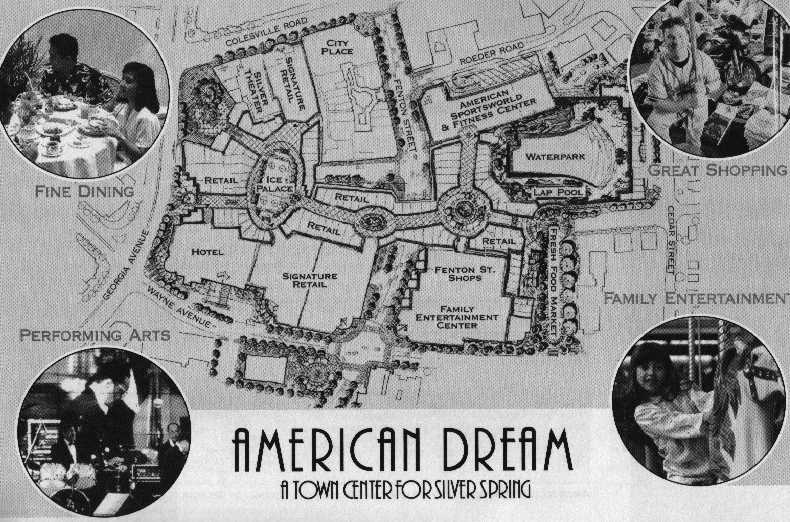
The American Dream has always been fueled by desire. It has been the driving force of our societies.Our country's foundation and development has been based on the wish of "having more". Puritans wanted more religious freedom when they resettled in New England. Later, Americans heading west were in want of more natural resources and job opportunities. Immigrants wanted more successful lives in the US. In the 1920s, the disintegrating structure of society caused this desire to become a senseless craving and pursuit of materialism. People started to yearn for more objects and a better social caste in a try to compensate their personal deficits. The Great Gatsby reflects on that toxic desire that swept through society. Nick, the first character we meet, moves to the East coast in hopes of finding more excitement than he experienced in the Midwest.Gatsby is another perfect example, he spends a great deal of money and time on throwing parties he doesn't even enjoy that much, "..just as it began my eyes fell on Gatsby, standing alone on the marble steps and looking from one group to another with approving eyes". Gatsby throws these extravagant parties, well because he can, and as we later learn, in hopes of seeing Daisy. His emotional detachment is made up for by flaunting his wealth and climbing the social ladder by doing so, at least to West Egg residents. The only reason guests attend his parties is because they think that they're experiencing the glamour of the American Dream. This shows how shallow and materialistic people have become, attending Gatsby's parties is just another way to enjoy the consumerist perks and to maintain their social standings. Even today, we still see this desire taking over our societies. With each year, the increasing desire to buy more objects at cheaper prices has caused Black Friday to occur earlier and earlier. Although displayed differently, the same toxic desire The Great Gatsby explores is still threaded within our societies. So as long as we desire, will the American Dream ever be over ?


Friday, November 20, 2015
The Happiest Day of My Life
December 30th, 2010. Almost half a decade ago.That day was truly one of the happiest days of my life, or at least that's how I remember it. Perhaps it was the clear sunny skies, the approaching New Year's Eve party, or the amazing movie I was watching. We had just recently moved in to our new house - I finally had a room to myself- and we were getting ready to host some family and friends over for New Years. Life was good.
Back then, everyone was happy, at least that is what they appeared to be. I had absolutely no worries on my mind, but then again I was only in sixth grade. I wasn't worrying about college nor AP English ( :) ) nor for some big-mouthed idiot running for president, nor for my country that would tear my heart as it breaks on the map. See, I don't even remember what I did that day to yet along remember the weather outside, but if I do remember something, it is that I was happy.Back then, I had never known the cruelty of this world because my surroundings were peaceful. The details of that day don't matter as much as how I remember that day.That day probably wasn't as picture perfect as I envision it right now, but after all the experiences I have been through, my mind searches for that memory that can be claimed as a "happy" memory. In The Glass Castle, Jeannette remembers the earlier parts of her childhood as being adventurous and exciting, it is only as her memory progress that she starts admitting the negative and dysfunctional parts of her childhood. The trauma she experienced affected the way she views her memories. The same goes to Vladek, he always remembers his time with Anja as being wonderful because it's the only part of her that still lives with him in his memories.The past always seems to be a much happier time... and that's why I love the picture above so much, because for a second or two, time stood still and our happiness was captured forever.
 |
| Our New Year's Eve Group Picture |
Saturday, November 14, 2015
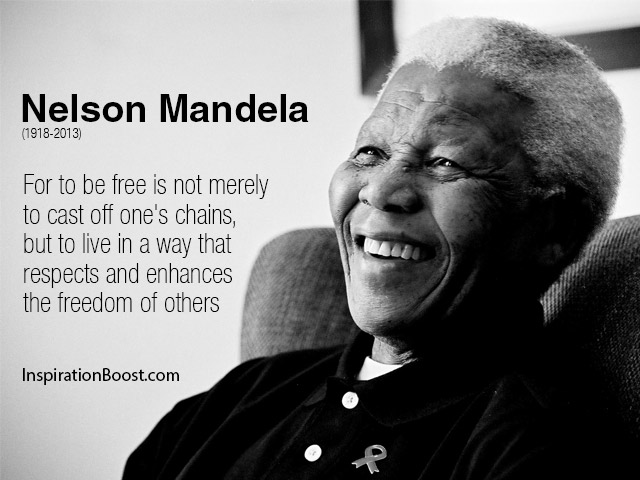
True Freedom
free·dom (n): the
power or right to act, speak, or think as one wants without hindrance or
restraint; the state of not being imprisoned or enslaved
Freedom.
The sight of this word evokes so many emotions. It holds within it so many past
struggles and future aspirations. Freedom is not to be touched or held, but it
is to be felt. African-Americans had to fight long for their physical freedom-
and even longer for their social freedom. Even after they were freed from the
chains, the chains still existed-only they were invisible now; these
chains protruded their lives and controlled their destiny.
In The
Bluest Eye, Cholly and the old ladies are described as being
"free", so what does that really mean? In the old ladies's case,
being free is a result of a lifetime of racial abuse.They no longer have to
deal with any racial abuse from any white employer or any abusive
spouse. "They were old enough to be irritable to be when and where
they choose...They were, in fact and at last, free". All the
"terror", "wickedness","tears",
"serenity", and all the other experiences they have been through have
cascaded to this point in their lives in which they can truly live free because
there is nothing left for them to fear and/or look forward to. Their freedom
has resulted from living a complete life- not necessarily a good one.
Cholly also feels free
after discovering that his dad is a jerk, " ...Cholly was free.
Dangerously free. Free to feel whatever he felt..". The freedom he
experiences arises from a lack of care he has experienced. Since he never had a
parent growing up, he never got to experience joy, love, or happiness. The
freedom he experiences is toxic; it forces him to
do ludicrous actions, and it is as if he is trying to compensate for
all the experiences he missed out on. He becomes immune to his
surroundings.Perhaps that is why he rapes his daughter; in his dangerous
freedom, abuse is all what he knows how to show.

Friday, November 6, 2015
Why Want Blue Eyes ?
We all spend our days waiting for that one thing that will make our lives better: a better phone, a bigger house, or a longer vacation; in The Bluest Eye, Pecola yearns for something much simpler, blue eyes, yet it holds such a powerful effect on her. Pecola accepts the ugliness that "every movie" "every billboard" and "every glance" assigns her. She absorbs all the subtle discrimination she sees, not only from the whites but from black men too, against black beauty. Blue eyes, in her eyes, are the solution to attain "beauty"; being beautiful is synonymous with being white. In her everyday life, Pecola sees but is never seen. She sees the disgust in people's faces towards her, but she is never acknowledged by the boys nor her classmates nor her parents. She wants to have blue eyes because she wants to be seen, she wants to be acknowledged, and she wants to be beautiful, for once. "If she looked different, beautiful, maybe ...they'd say... 'We mustn't do bad things in front of those pretty eyes'", Pecola believes that if she had blue eyes, then people would respect her - because she is "beautiful"- and not act disrespectfully around her. Changing the medium that she looks through will change the way people act around her. What if wanting blue eyes was just a method sickly-twisted by society to deal with the past, present, and future? Through our eyes, we witness our everyday lives, it is with them our memories have been formed, and out of them we predict our futures. By wanting different eyes, Pecola wants a different life for herself: better memories, a more pleasant present, and a brighter future. It's with them she experiences the difficulties in growing up as a black girl with crazy detached parents. By changing her eyes, she can just magically wipe away her traumatic past and replace it with a more 'beautiful", "cleaner" one that is associated with the "American Dream" that fake, blue-eyed white families represents. She craves for a childhood where she can play with dick and the dog and the cat instead of having to bear her parents' fight; blue eyes, in her perspective, will get her that.
While everyone dreams of blue eyes, it's ironic that they started out as a mutation in the genes...
Subscribe to:
Posts (Atom)